
Makar Sankranti: A Celebration of New Beginnings
Makar Sankranti, also known as Uttarayana, Makara, or simply Sankranti, is one of the most significant Hindu festivals celebrated across India and by Indian communities worldwide. This festival marks the transition of the Sun from the zodiac sign of Sagittarius (Dhanu) to Capricorn (Makara), heralding the start of longer days as the Sun begins its northward journey. Falling annually on January 14 (or January 15 during leap years), Makar Sankranti 2025 promises to be a joyous occasion filled with traditions, rituals, and community celebrations
The Astronomical Significance of Makar Sankranti
This Festival is deeply rooted in astronomical observations. The transition of the Sun into Capricorn marks the end of the winter solstice and the beginning of longer, warmer days. This northward movement of the Sun, referred to as Uttarayana, is considered highly auspicious in Hindu culture. It symbolizes the dispelling of darkness and the arrival of light, positivity, and prosperity.
In 2025, Makar Sankranti will be observed on Tuesday, January 14, with celebrations starting early in the morning. The timing of the Sun’s transition, or Sankranti moment, is an important aspect of the rituals performed on this day. According to Hindu beliefs, taking a holy dip in sacred rivers like the Ganges, Yamuna, or Godavari during this period is said to cleanse the soul and absolve past sins.
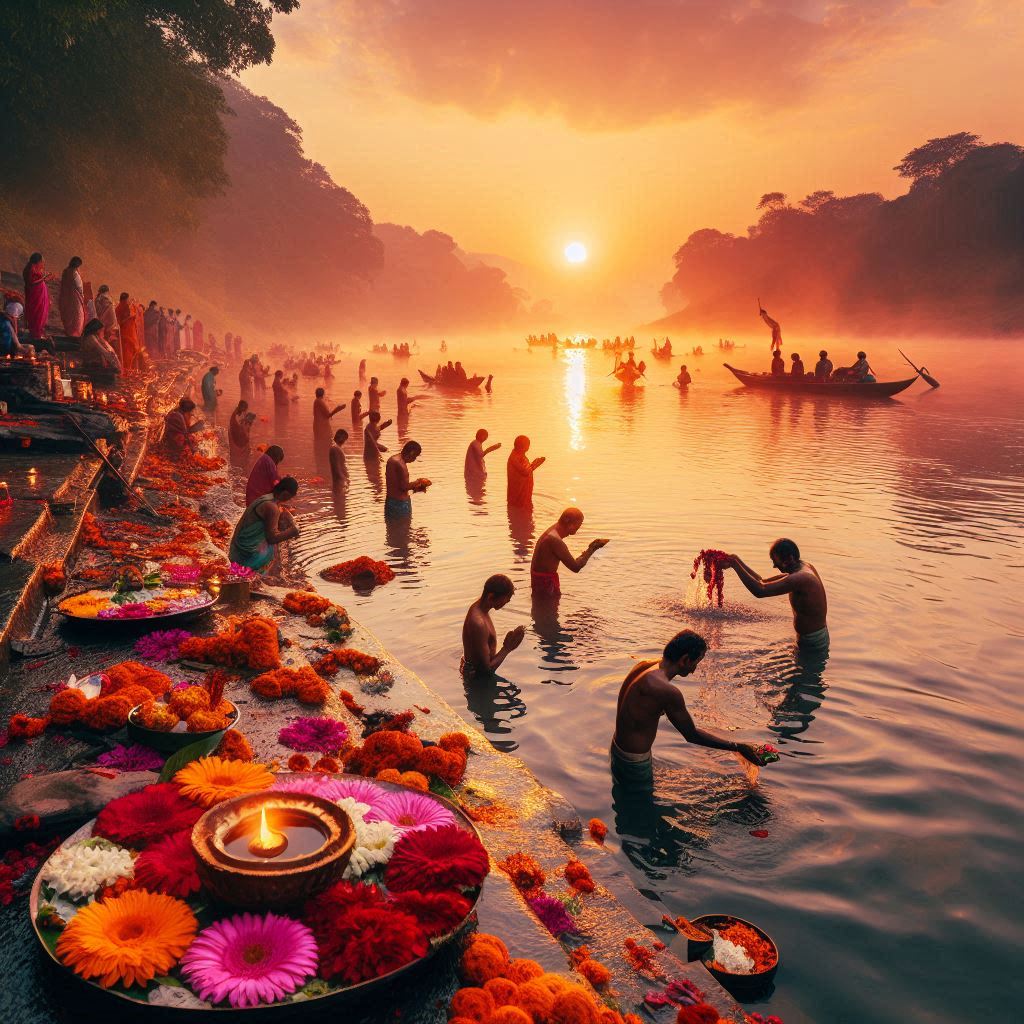
Table of Contents
Makar Sankranti Across India: A Festival with Many Names
Makar Sankranti is celebrated under different names and with unique traditions across various regions of India. While the essence of the festival remains the same, the cultural diversity of the country adds a distinctive flavor to the celebrations:
- Pongal (Tamil Nadu): A four-day harvest festival where people honor the Sun God, Surya, by preparing a dish called Pongal made from freshly harvested rice and jaggery.
- Magh Bihu (Assam): A harvest festival marked by feasts, traditional games, and the lighting of bonfires.
- Lohri (Punjab): Celebrated a day before Makar Sankranti, Lohri involves bonfires, dancing, and the exchange of sweets like gur (jaggery) and rewri.
- Uttarayana (Gujarat): Known for its vibrant kite-flying festivals where the sky is filled with colorful kites.
- Khichdi Sankranti (Uttar Pradesh and Bihar): People prepare a special dish called khichdi made of rice and lentils as an offering to the Sun God.
- Til Sankranti (Maharashtra and Odisha): The exchange of sweets made with sesame seeds (til) and jaggery is a prominent tradition.
Key Rituals and Traditions
- Worship of the Sun God: On this auspicious day, devotees wake up early, take a bath, and offer prayers to Surya, the solar deity. Offerings typically include water, flowers, and specially prepared dishes.
- Holy Dips: Taking a dip in sacred rivers is considered highly meritorious. Devotees flock to pilgrimage sites like Prayagraj, Varanasi, and Haridwar to participate in this ritual.
- Kite Flying: In many parts of India, kite flying is a popular activity on Makar Sankranti. The skies are filled with kites of various colors, sizes, and designs, symbolizing freedom and joy.
- Feasting and Sharing: The festival is synonymous with special delicacies like tilgul (sesame and jaggery sweets), chikki, and laddoos. These dishes symbolize unity and the warmth of relationships.
- Charity and Giving: Acts of charity, such as donating food, clothes, or money to the needy, are considered important during Makar Sankranti.
The Spiritual Essence of Makar Sankranti
This is not just a celebration of the Sun’s transition but also a time to embrace new beginnings. The festival encourages individuals to let go of the past, embrace positivity, and start afresh. The exchange of tilgul sweets, accompanied by the phrase “Tilgul ghya, god god bola” (take sesame and jaggery, and speak sweetly), is a reminder to foster harmony and kindness in relationships.
The significance of Uttarayana is also highlighted in the epic Mahabharata, where Bhishma Pitamah chose to leave his mortal body during this auspicious period, signifying liberation and moksha (salvation).
Celebrations Beyond India
Makar Sankranti’s essence transcends borders and is celebrated in various forms across South Asia and Southeast Asia:
- Nepal: Known as Maghe Sankranti, the festival involves feasting and rituals for health and prosperity.
- Thailand: Celebrated as Songkran, it marks the Thai New Year.
- Myanmar: Thingyan is a water festival observed to welcome the new year.
- Cambodia: Known as Mohan Songkran, it involves traditional games, dances, and feasts.
Modern-Day Celebrations of Makar Sankranti
In recent years, Makar Sankranti has witnessed a blend of traditional and modern elements. While rituals and customs remain integral, urban communities have introduced innovative ways to celebrate, such as eco-friendly kite-flying events and digital charity drives. Social media platforms are flooded with wishes, greetings, and vibrant pictures of the celebrations, making the festival a global phenomenon.
Conclusion
Makar Sankranti is more than just a festival; it is a celebration of life’s transitions, the victory of light over darkness, and the enduring bond between communities. As we prepare to celebrate Makar Sankranti 2025, let us embrace the spirit of togetherness, gratitude, and renewal that this festival embodies. Whether through offering prayers to the Sun God, flying kites, or sharing sweets, Makar Sankranti reminds us to cherish the warmth of relationships and welcome new beginnings with open hearts.